
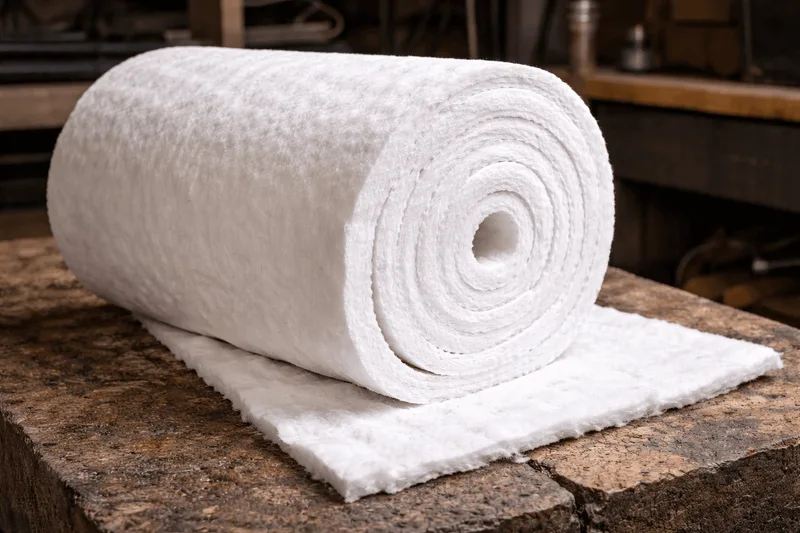
High-Temperature Ceramic Fiber (Kao Wool) for Fire Assay Furnaces
Lightweight high-temperature ceramic fiber insulation for lining and thermal sealing in fire assay furnaces.
Key benefits of our Ceramic Fiber Insulation Wool
Easy Maintenance
Smooth surface finish prevents sample adhesion and enables quick cleaning. Dishwasher safe for convenient sanitation between sample batches.
Engineered for safety
Our classifiers are engineered to global safety standards and incorporates rated lifting points or to lift the entire unit.
Low wear and maintenance
All components in our classifiers are designed to minimise wear and reduce maintenance. Units are manufactured to our high-quality standards.
Durable Construction
High-grade stainless steel construction ensures long service life, corrosion resistance, and maintains integrity under continuous high-temperature operation.
Superior product quality, recovery and throughput
The patented REFLUX Classifier is one of our most advanced fine-particle, gravity-based separators, offering significant advantages in separation efficiency.
Advanced Furnace Insulation
Ceramic fiber insulation wool is used in fire assay furnaces for lining, sealing, and heat retention.
Energy Efficiency & Temperature Stability
Low thermal conductivity reduces heat loss and supports stable furnace operating temperatures.
Flexible & Easy Installation
Lightweight structure allows easy shaping and installation in various furnace configurations.
Applications for our Ceramic Fiber Insulation Wool
Discover how our Ceramic Fiber Insulation Wool can be used in various industries and applications.
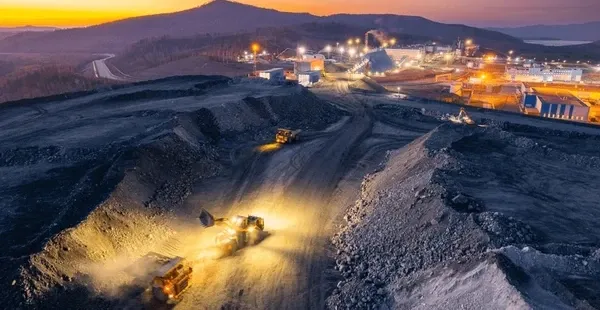
Mining & Exploration
Reliable solutions for mining and exploration operations in challenging environments
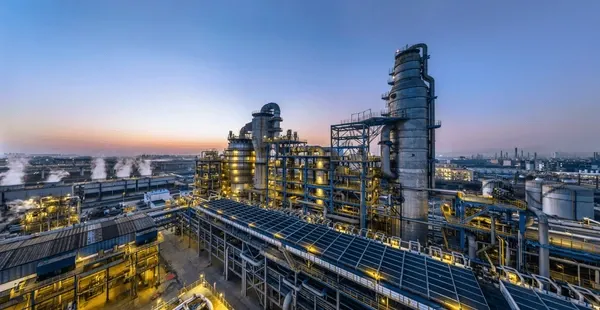
Industrial Projects
Comprehensive solutions for large-scale industrial projects and operations
Frequently asked questions
FAQs for the Ceramic Fiber Insulation Wool
What is Fire Assay and why is it used?
Fire Assay is a highly accurate laboratory method used to determine the precious metal content in ores, concentrates, and geological samples. The process uses high temperatures to separate gold, silver, platinum group metals, and other valuable elements from surrounding material. Because of its precision and reliability, Fire Assay is considered the industry standard for precious metal analysis worldwide.
How does the Fire Assay process work?
The sample is first mixed with special fluxes and heated in a furnace at very high temperatures. During melting, precious metals collect into a lead or nickel button while unwanted material forms slag. The metal button is then separated and further refined to accurately measure the precious metal content. This process delivers highly reliable results, even at very low concentrations.