
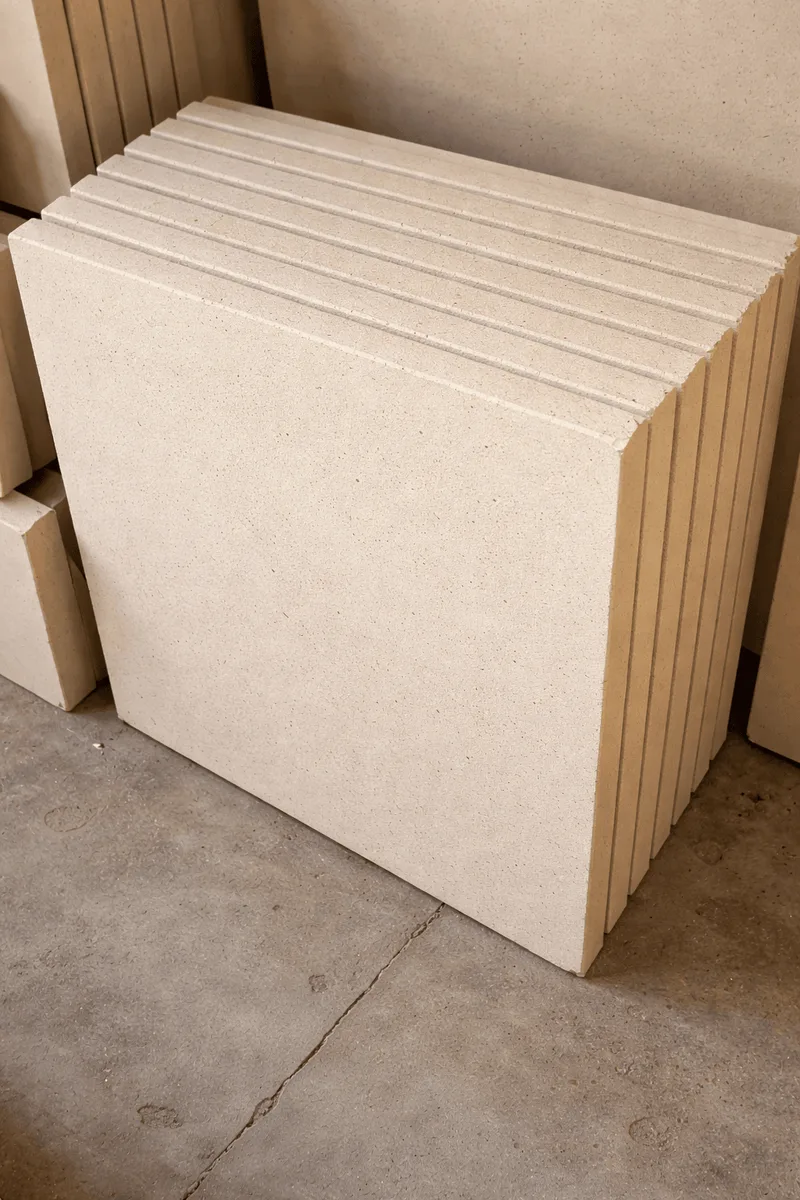
Refractory Floor Tiles for Fire Assay and Furnace Areas
Heat-resistant refractory floor tiles designed for furnace zones and fire assay laboratories.
Key benefits of our High-Temperature Floor Tiles
Easy Maintenance
Smooth surface finish prevents sample adhesion and enables quick cleaning. Dishwasher safe for convenient sanitation between sample batches.
Engineered for safety
Our classifiers are engineered to global safety standards and incorporates rated lifting points or to lift the entire unit.
Compact footprint design
Space-efficient design that fits into almost any plant layout while reducing the required plant footprint significantly.
Stackable Design
Compatible with mobile trolley systems for high-capacity processing. Raised corners allow secure stacking without sample contact between tray levels.
Superior product quality, recovery and throughput
The patented REFLUX Classifier is one of our most advanced fine-particle, gravity-based separators, offering significant advantages in separation efficiency.
Protection in High-Heat Zones
Designed to withstand thermal shock, molten splash, and heavy laboratory traffic.
Durable Refractory Composition
Manufactured from refractory-grade materials suitable for extreme temperatures.
Enhanced Laboratory Safety
Provides a stable, heat-resistant surface in furnace and assay working areas.
Applications for our High-Temperature Floor Tiles
Discover how our High-Temperature Floor Tiles can be used in various industries and applications.
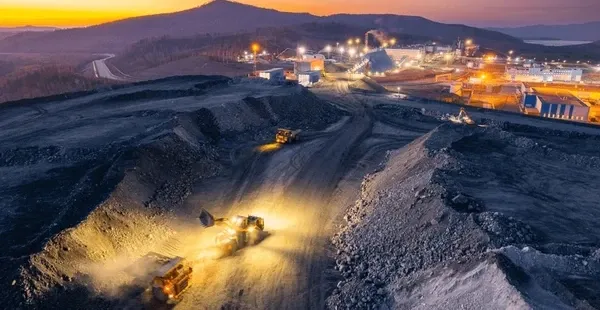
Mining & Exploration
Reliable solutions for mining and exploration operations in challenging environments
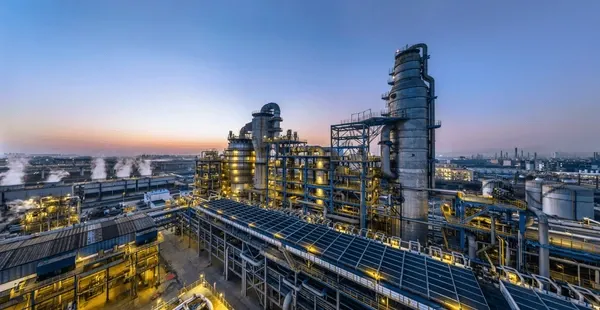
Industrial Projects
Comprehensive solutions for large-scale industrial projects and operations
Frequently asked questions
FAQs for the High-Temperature Floor Tiles
What is Fire Assay and why is it used?
Fire Assay is a highly accurate laboratory method used to determine the precious metal content in ores, concentrates, and geological samples. The process uses high temperatures to separate gold, silver, platinum group metals, and other valuable elements from surrounding material. Because of its precision and reliability, Fire Assay is considered the industry standard for precious metal analysis worldwide.
How does the Fire Assay process work?
The sample is first mixed with special fluxes and heated in a furnace at very high temperatures. During melting, precious metals collect into a lead or nickel button while unwanted material forms slag. The metal button is then separated and further refined to accurately measure the precious metal content. This process delivers highly reliable results, even at very low concentrations.